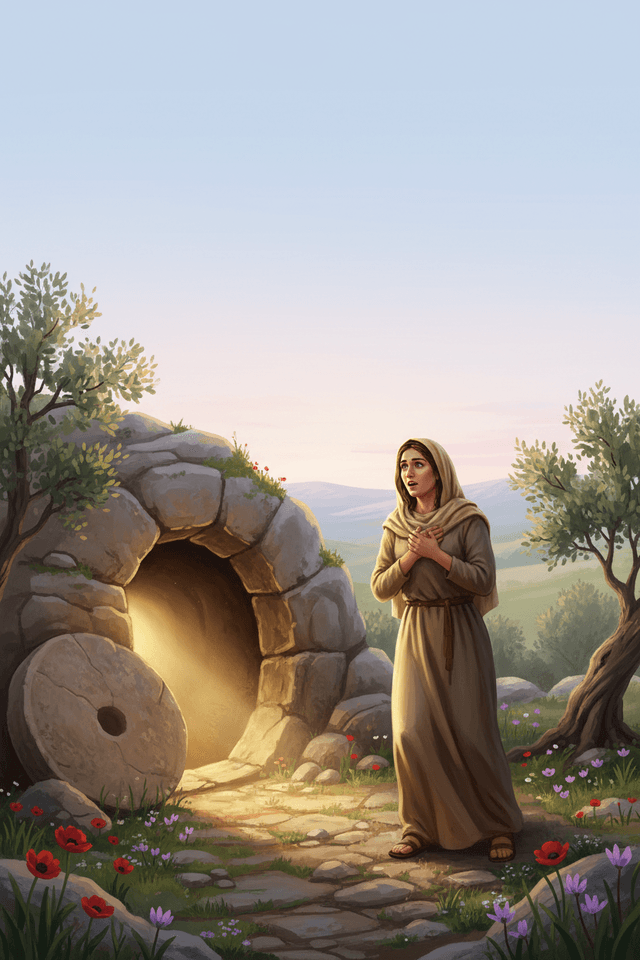
In the Gospel accounts, women came to Jesus' tomb after the Sabbath. They discovered that the stone at the entrance had been moved and that the body was not there. Different Gospel accounts vary in the details of who arrived and what they saw, but the central claim is the empty tomb and the announcement that Jesus had risen.
The news was difficult for the first followers to understand. They had witnessed the execution and expected death to be final. The resurrection appearances described in Christian tradition transformed their fear into a message they carried to others.
Easter therefore combines a narrative of loss, astonishment, and hope with the central Christian belief in Jesus' resurrection. Churches mark the festival through worship, readings, music, communal meals, and symbols of new life. The story is theological at its core: Christians celebrate what they believe God did, not a claim that can be reduced to ordinary historical observation alone.