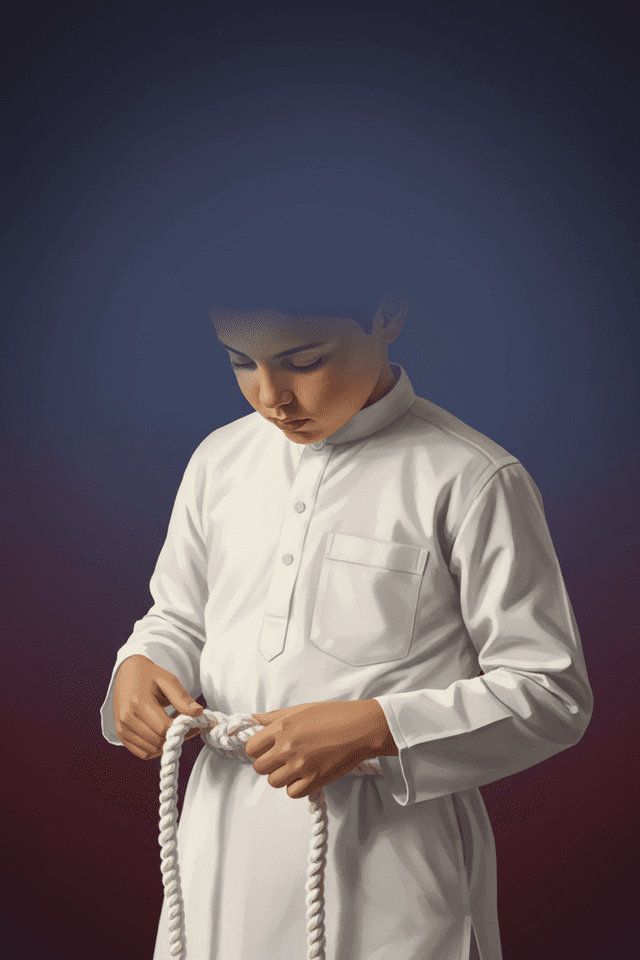
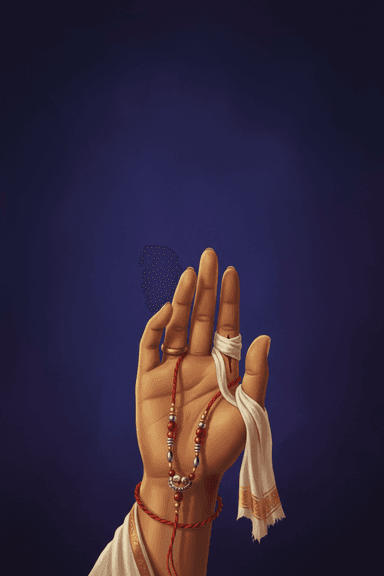
In a Parsi or Iranian Zoroastrian family, a child, usually between seven and fifteen years old, sits before a priest, dressed in white, with family and friends gathered close. A lamp or a fire burns nearby. This is the navjote, the ceremony in which a child is welcomed into the Zoroastrian faith. In Iran it is often called sedreh-pushi, which means putting on the sacred shirt.
The ceremony looks back to the teaching of the prophet Zarathustra, who lived in ancient Iran. Many scholars place him more than three thousand years ago, though his dates are still debated. Zarathustra taught that every person must choose between truth and falsehood, between good and evil. His teaching is often summed up in three short phrases: good thoughts, good words and good deeds, in the Avestan language humata, hukhta, hvarshta.