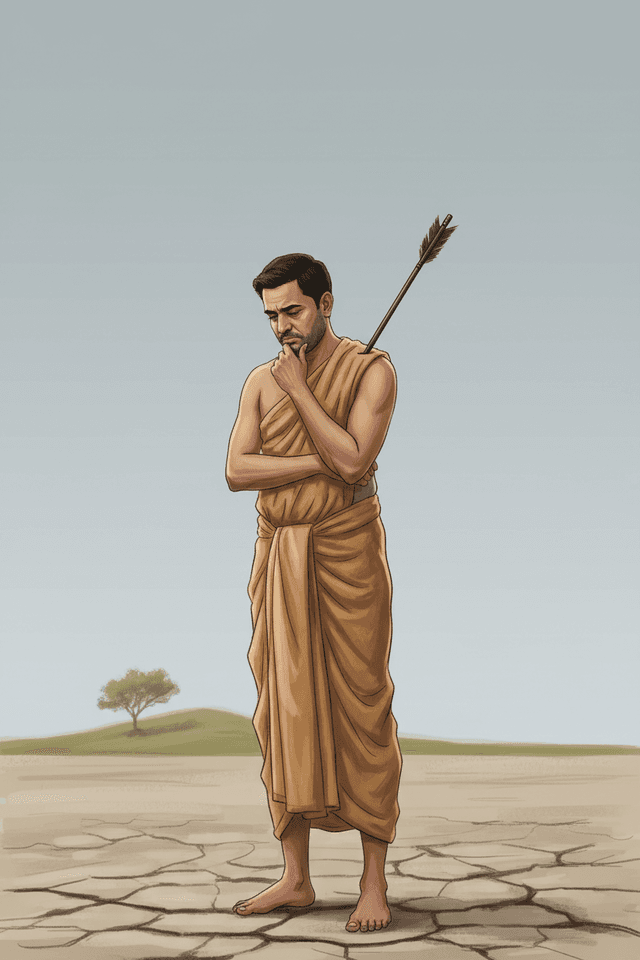
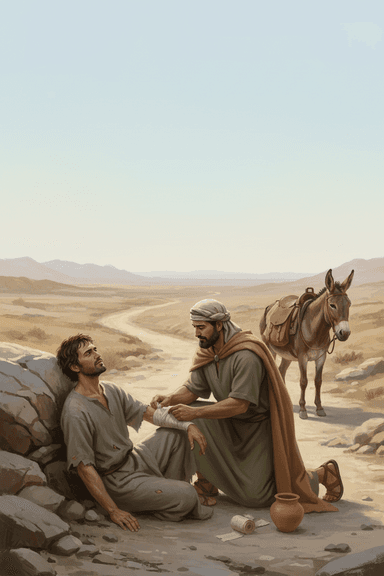
A man was struck by a poisoned arrow. Imagine, says the teaching, that he refused treatment until he knew every detail about the arrow: who made it, who shot it, where the shooter came from, what kind of wood had been used, and many other questions.
While he demanded those answers, the poison would continue spreading. The important task would remain undone: removing the arrow and treating the wound. Knowledge is valuable, but some questions can become distractions when an urgent problem is already causing harm.
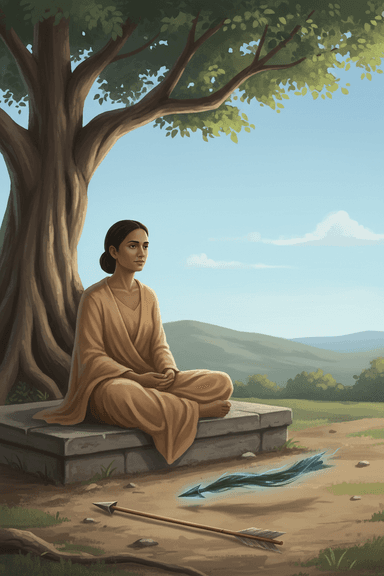
The Buddhist teaching uses this image to emphasize practical liberation rather than endless speculation about questions that do not help end suffering. The wisdom is not that questions are bad. It is that a person should recognize which questions help healing and which merely postpone necessary action.