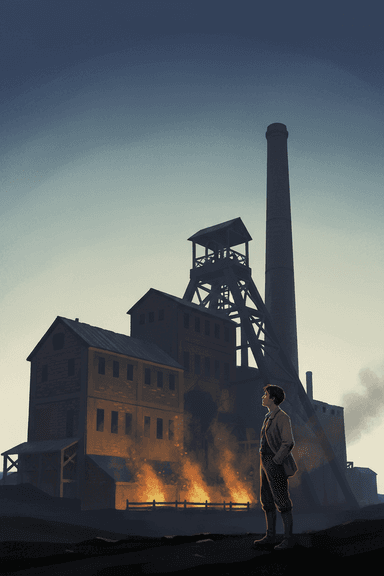
Eighteen-year-old Caroline Meeber takes the train to Chicago in 1889 with four dollars and a head full of dreams. Drifting from factory work into the keeping of a travelling salesman and then of the married manager Hurstwood, she rises toward fame on the New York stage while he sinks into poverty. Dreiser's groundbreaking naturalist novel is a frank study of desire, money and the indifference of the modern city.
Want to listen?
Create a free account to listen. It takes a minute, and you come straight back here.
When Caroline Meeber boarded the afternoon train for Chicago, her total outfit consisted of a small trunk, a cheap imitation alligator-skin satchel, a small lunch in a paper box, and a yellow leather snap purse, containing her ticket, a scrap of paper with her sister’s address in Van Buren Street, and four dollars in money. It was in August, 1889. She was eighteen years of age, bright, timid, and full of the illusions of ignorance and youth. Whatever touch of regret at parting characterised her thoughts, it was certainly not for advantages now being given up. A gush of tears at her mother’s farewell kiss, a touch in her throat when the cars clacked by the flour mill where her father worked by the day, a pathetic sigh as the familiar green environs of the village passed in review, and the threads which bound her so lightly to girlhood and home were irretrievably broken.
Sign up free to keep reading and listen to the full narration.